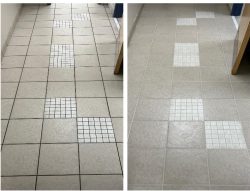
The Difference Between Tile Cleaning and Tile Restoration
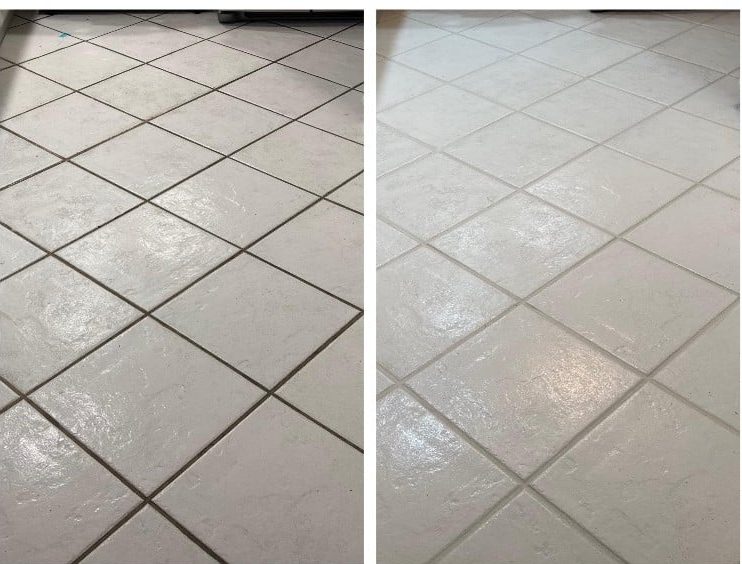
Why Understanding the Difference Matters
Tile floors are valued for their durability and long-lasting appeal, but over time, even well-maintained tile can begin to lose its original look. Dirt buildup, moisture exposure, and everyday wear all contribute to dull surfaces and discolored grout. When this happens, homeowners are often unsure whether routine cleaning is enough or if a more intensive solution is required.
Knowing the difference between basic tile cleaning and tile restoration services helps you make informed decisions about your floors. Each service serves a specific purpose, and choosing the right one can save time, money, and unnecessary repairs. Grout Plus works with homeowners to evaluate tile conditions and recommend the most effective approach for long-term results.
What Tile Cleaning Is Designed to Do
Tile cleaning focuses on removing surface-level dirt, grime, and bacteria that accumulate during daily use. This process typically involves specialized equipment and cleaning solutions that go far beyond household mops and cleaners. Professional cleaning reaches into grout lines to lift embedded debris and restore a cleaner appearance.
In many cases, tile cleaning is ideal for floors that are structurally sound but have become dull or stained from regular use. This service improves hygiene, brightens tile surfaces, and refreshes grout color without altering the tile itself. For ongoing maintenance, periodic cleaning helps prevent deeper issues from developing.
When Cleaning Alone Isn’t Enough
While cleaning is effective for routine care, it has limitations. Tile that has been neglected for years may show signs of wear that cleaning cannot fix. Etching, scratches, uneven grout color, and surface damage often remain even after thorough cleaning.
This is where tile restoration services become necessary. Restoration addresses underlying damage rather than just surface dirt. It focuses on repairing, refinishing, and rejuvenating tile and grout to bring floors closer to their original condition.
What Tile Restoration Involves
Tile restoration is a more comprehensive process that may include deep cleaning, grout repair, sealing, and surface refinishing. In some cases, damaged grout is replaced, and protective coatings are applied to enhance durability and appearance. This approach not only improves how floors look but also strengthens their resistance to future wear.
Restoration is especially beneficial for older floors or high-traffic areas where grout has deteriorated or tile surfaces have become worn. Rather than replacing the entire floor, restoration extends its lifespan while improving overall performance.
Choosing the Right Service for Your Floors
Deciding between cleaning and restoration depends on the condition of your tile. If grout is intact and tile surfaces are simply dirty or discolored, professional cleaning is often sufficient. However, if grout is cracking, tiles feel uneven, or stains persist despite repeated cleaning, restoration may be the better option.
In Coral Springs, FL and surrounding communities, environmental factors like humidity and foot traffic can accelerate grout wear. A professional assessment helps determine whether cleaning will deliver lasting results or if restoration is needed to address deeper concerns.
Long-Term Benefits of Proper Care
Both tile cleaning and restoration play important roles in maintaining tile floors. Cleaning keeps surfaces hygienic and visually appealing, while restoration corrects damage and protects against future deterioration. Grout Plus focuses on matching the service to the condition of the floor, ensuring homeowners receive effective, long-lasting results.
For homeowners in Coral Springs, FL and nearby areas, understanding these differences makes it easier to plan proper care. When tile restoration services are used at the right time, they restore function, improve appearance, and help tile floors remain a valuable feature of the home for years to come.